
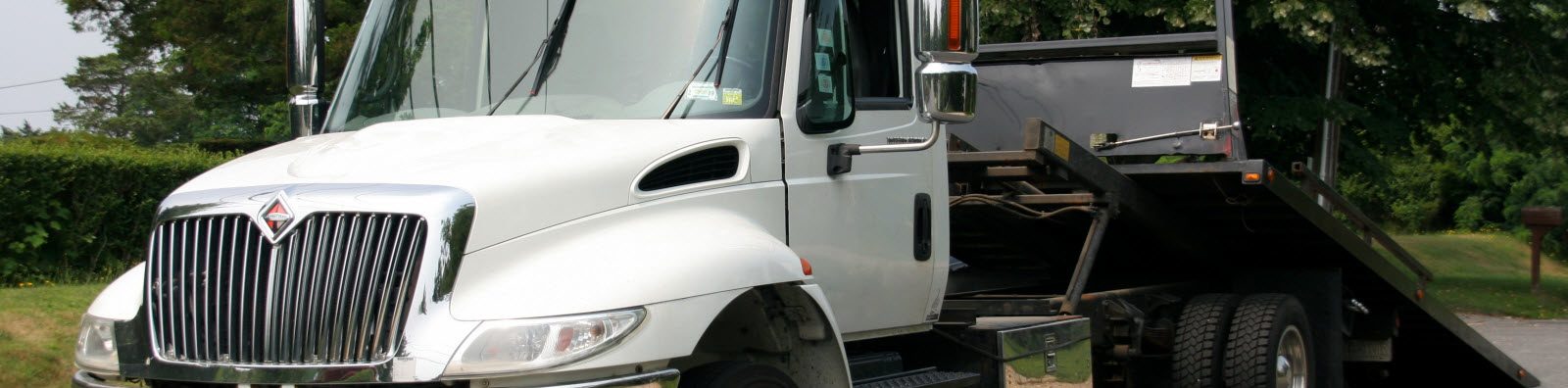
Heavy-duty towing is a specialized service designed to safely transport large vehicles such as semi-trucks, buses, RVs, and construction equipment. Unlike standard towing, it requires specialized equipment, skilled operators, and precise procedures to ensure the safety of both the vehicle and the surrounding environment. Understanding the general step-by-step process can help fleet managers, drivers, and businesses appreciate the complexity involved in heavy-duty towing. We at Highway 30 Garage would like to share a general step-by-step guide when it comes to heavy duty towing. Please keep in mind that every company have their own process, this guide is simply to offer a general understanding.
Step 1: Initial Assessment & Dispatch
The process begins with a detailed assessment of the situation. When a driver or company calls for heavy-duty towing, the towing company gathers essential information, including the type of vehicle, its weight, the location, and the condition of the vehicle. This assessment helps determine the type of tow truck needed—whether a rotator, flatbed, or wheel-lift truck. Dispatchers then send a properly equipped team to the scene, ensuring that operators arrive prepared for the specific challenges of the job.
Step 2: Safety Preparation & Scene Setup
Upon arrival, safety is the top priority. Operators secure the area using traffic cones, reflective signs, and hazard lights to protect both the crew and other motorists. They also evaluate potential risks such as unstable ground, traffic conditions, or hazardous cargo. Personal protective equipment (PPE) is used to minimize risk during the operation. Ensuring the scene is safe before moving any heavy vehicle is a critical step that prevents accidents and vehicle damage.
Step 3: Vehicle Inspection & Stabilization
Before lifting or moving the vehicle, operators conduct a thorough inspection. This includes checking for fluid leaks, tire conditions, and any structural damage that may complicate towing. The vehicle is then stabilized to prevent unwanted movement. Heavy-duty tow trucks use specialized equipment like hydraulic lifts, chains, and straps to secure the vehicle. This step ensures that the vehicle remains balanced and reduces the risk of additional damage during transport.
Step 4: Lifting & Loading
Depending on the vehicle and situation, operators use different towing methods. A rotator tow truck can lift and rotate the vehicle from challenging positions such as ditches or rolled-over trucks. Flatbeds allow the vehicle to be pulled fully onto a platform, while wheel-lift trucks lift the front or rear wheels. Precision is key during this stage, as improper lifting can cause damage to the vehicle or surrounding property.
Step 5: Transport and Delivery
Once the vehicle is secured, it is transported to its destination, which may be a repair facility, storage lot, or another safe location. Throughout transit, operators monitor the vehicle and adjust straps or chains if needed to maintain stability.
Step 6: Unloading & Final Checks
Upon arrival, the heavy-duty vehicle is carefully unloaded using the same precision as during loading. Operators perform a final inspection to ensure that no additional damage has occurred. The customer is then briefed on the condition of the vehicle and any recommendations for repair or handling.
Towing, Roadside Assistance & More in Cassia, Gooding, Jerome & Twin Falls Counties in Magic Valley, Idaho & Jackpot, Northern Nevada
Heavy-duty towing is a complex, highly specialized process requiring experience, technical knowledge, and attention to detail. By understanding the general step-by-step procedure, drivers and businesses can appreciate the expertise involved and ensure safe, efficient recovery of their vehicles. Contact Highway 30 Garage for heavy duty towing services.
