
Breaking down on the road in a semi-truck is more than just an inconvenience, it can be a serious safety risk and a costly delay. Whether the issue is mechanical failure, a blown tire, or an accident, knowing what to expect from emergency towing can help drivers stay safe and get back on the road faster. Understanding the process and your role in it can make a stressful situation far more manageable. Today, we at Highway 30 Towing would like to discuss what drivers should know emergency towing for semi-trucks.
Prioritizing Safety During a Breakdown
The first and most important step during a semi-truck breakdown is safety. If possible, move the truck to the shoulder or a safe area away from traffic. Turn on hazard lights immediately and set out reflective triangles or warning devices according to DOT requirements. Staying visible helps protect you and other drivers, especially at night or in poor weather conditions. If the truck cannot be moved, remain inside the cab with your seatbelt on unless it’s unsafe to do so.
When to Call for Emergency Towing
Not every issue requires a tow, but certain situations demand immediate professional help. Engine failure, brake problems, transmission issues, or severe tire damage are clear signs that towing is necessary. Attempting to drive a disabled semi-truck can worsen the damage or lead to dangerous accidents. Emergency towing services are equipped to handle these situations safely, minimizing further risk to the driver and vehicle.
Information to Provide When Requesting a Tow
When calling for emergency towing, providing accurate details helps speed up the response. Drivers should be ready to share their exact location, including mile markers or nearby exits, the type of truck and trailer, and the nature of the problem. Letting the towing company know whether the truck is loaded or empty is especially important, as weight plays a major role in selecting the proper equipment.
What Makes Semi-Truck Emergency Towing Different
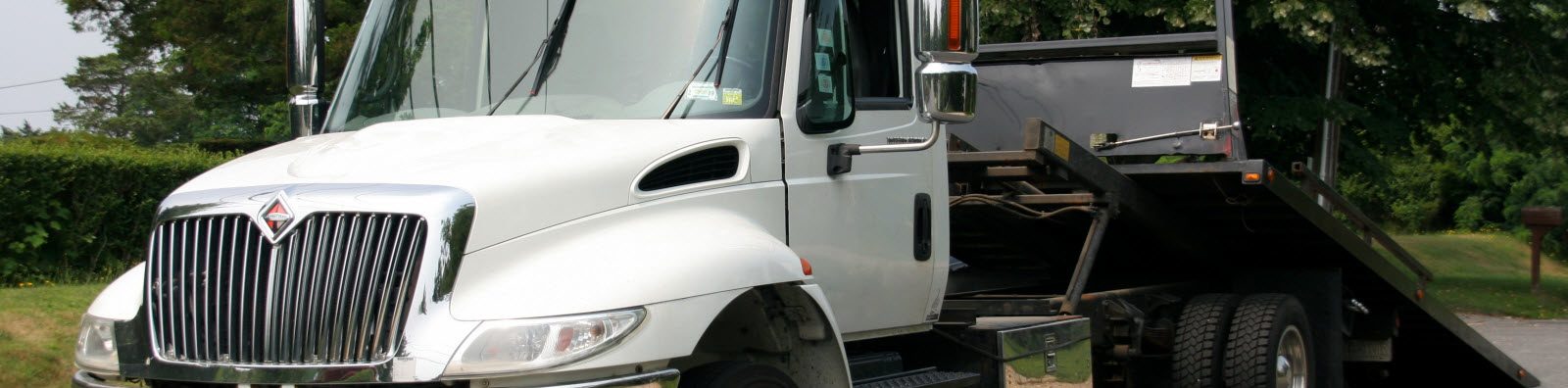
Emergency towing for semi-trucks is far more complex than standard vehicle towing. Heavy-duty tow trucks use specialized equipment such as hydraulic booms, winches, and reinforced wheel lifts to manage the truck’s size and weight. Trained operators carefully assess the situation to ensure the truck is secured properly and transported without causing additional damage. This expertise is critical during roadside recoveries, accidents, or off-road incidents.
Understanding Timing & Costs
Emergency semi-truck towing often involves longer response times and higher costs compared to passenger vehicle towing. Factors such as location, time of day, road conditions, and the severity of the breakdown all influence pricing. While the cost may be higher, professional emergency towing helps prevent extended downtime, secondary accidents, and expensive repairs caused by improper handling.
Preparing Ahead to Reduce Stress
Preparation can make a major difference when an emergency occurs. Drivers should keep emergency contact numbers readily available, maintain roadside safety equipment, and stay up to date on vehicle inspections. Knowing who to call and what steps to take reduces panic and helps resolve the situation more efficiently.
Towing, Roadside Assistance & More in Cassia, Gooding, Jerome & Twin Falls Counties in Magic Valley, Idaho & Jackpot, Northern Nevada
Emergency towing for semi-trucks is a vital service that keeps drivers safe and freight moving. By prioritizing safety, recognizing when towing is necessary, and understanding what to expect during the process, drivers can navigate roadside emergencies with greater confidence. Being prepared and relying on experienced heavy-duty towing professionals ensures that even unexpected breakdowns are handled quickly, safely, and effectively. When you need emergency semi-truck towing services, contact Highway 30 Towing.
