
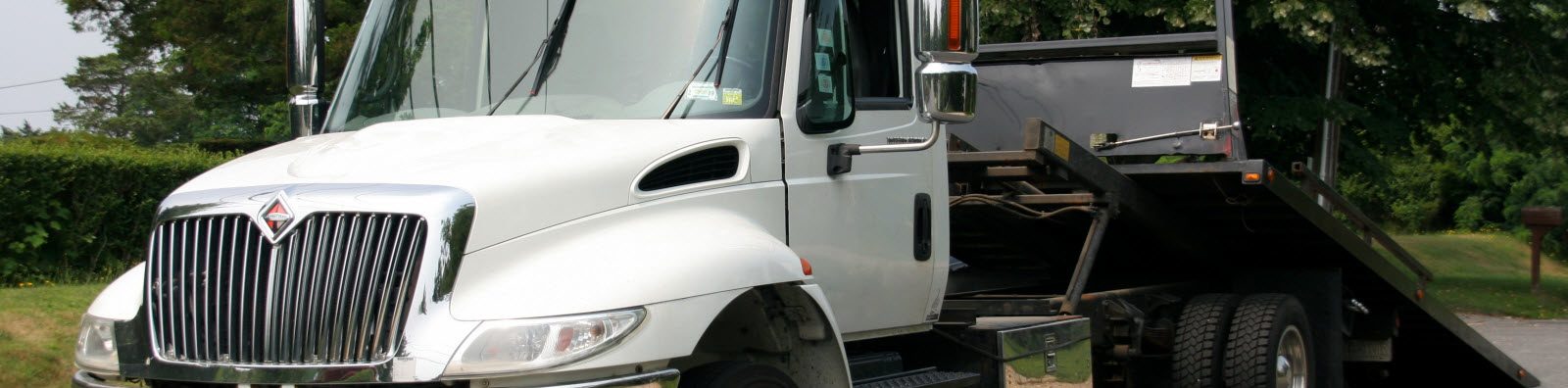
When a heavy-duty truck breaks down on the road, it’s tempting for drivers or fleet managers to wait before calling for a tow. Maybe they hope the issue is minor, or they’re trying to save money by delaying service. Unfortunately, postponing heavy truck towing often leads to significantly higher costs, financially, operationally, and even legally. Today, we at Highway 30 Garage would like to share hidden costs of delaying heavy truck towing.
Increasing Mechanical Damage
A disabled semi-truck or commercial vehicle rarely stays “just slightly broken.” What begins as a minor issue can quickly escalate. For example, a failing transmission, overheating engine, or damaged axle can worsen the longer the vehicle sits or is improperly handled. Attempting to move or operate the truck even short distances can turn a repairable issue into a complete system failure.
In many cases, early towing prevents secondary damage. Delays can multiply repair costs from hundreds to thousands of dollars, especially when critical components like the drivetrain or engine are affected.
Higher Roadside Risk & Liability
A stalled heavy truck on the side of a highway is a serious safety hazard. The longer it remains there, the higher the risk of a collision. Commercial vehicles are large and difficult to maneuver around, especially in low visibility or high-speed traffic conditions.
If an accident occurs involving the disabled truck, liability can become complicated. In some situations, failure to act promptly may be considered negligence, increasing legal exposure for the driver or fleet owner. Rapid towing reduces the time a vehicle is exposed to dangerous roadside conditions.
Expensive Downtime & Lost Revenue
For trucking companies, time truly is money. Every hour a truck is off the road means delayed deliveries, missed contracts, and lost income. A delayed towing decision can extend downtime unnecessarily, especially if the vehicle becomes more damaged or harder to recover.
Fleet operations depend on tight schedules. One immobilized truck can disrupt logistics chains, affect customer relationships, and even lead to penalty fees for late deliveries. Prompt towing helps get the vehicle to a repair facility faster, minimizing downtime and restoring operations sooner.
Compounded Towing & Recovery Costs
Ironically, waiting too long can make towing more expensive. A truck that initially needed a standard recovery may later require specialized equipment, additional labor, or complex extraction if it becomes stuck, damaged further, or involved in an incident.
For example, a simple roadside tow can escalate into a heavy recovery operation involving rotator trucks, winching, or load transfers. The more complicated the recovery becomes, the higher the final bill.
Environmental & Regulatory Penalties
In some jurisdictions, disabled commercial vehicles left unattended for extended periods may violate roadway or environmental regulations. Fuel leaks, hazardous materials, or obstructed traffic lanes can result in fines or citations. Prompt towing helps ensure compliance with transportation safety rules and reduces the risk of regulatory penalties.
Towing, Roadside Assistance & More in Cassia, Gooding, Jerome & Twin Falls Counties in Magic Valley, Idaho & Jackpot, Northern Nevada
Delaying heavy truck towing might seem like a way to save money in the short term, but it often does the opposite. From increased repair costs and safety risks to lost revenue and legal exposure, the hidden costs add up quickly. The most cost-effective decision is almost always the fastest one: call for professional heavy-duty towing as soon as the problem occurs. Call Highway 30 Garage when you need heavy duty towing.
