
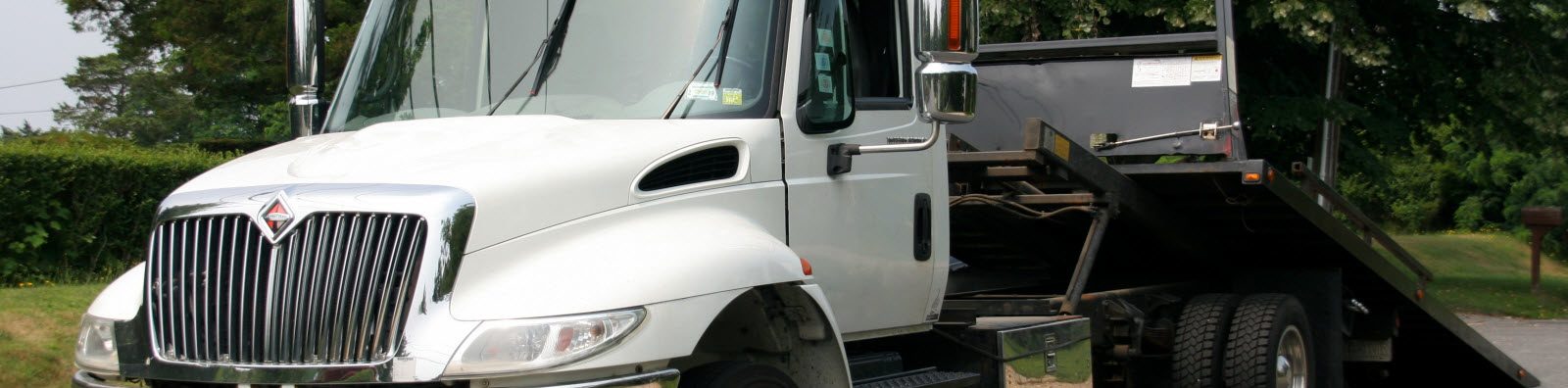
When most people think of towing, they picture a standard tow truck pulling a car or small SUV. But when it comes to much larger vehicles like buses, semis, RVs, and heavy construction equipment regular towing simply isn’t enough. That’s where heavy-duty towing comes in. Heavy-duty towing is a specialized service built for size, weight, and complexity. Whether recovering a rolled-over semi-truck or transporting a large commercial vehicle after a breakdown, it requires advanced equipment, skilled operators, and precise planning. Highway 30 Garage will share what sets it apart from standard towing.
The Size & Weight of Vehicles Involved
The biggest difference between heavy-duty and regular towing is the type of vehicles they handle. The heavy-duty vehicles includes:
• Semi-trucks and trailers
• Buses and motorcoaches
• Garbage trucks
• Construction equipment (backhoes, bulldozers, forklifts)
• Large RVs and motorhomes
• Commercial fleet trucks
These vehicles can weigh 20,000 pounds or more, far exceeding what a light-duty or even medium-duty tow truck can handle. Heavy-duty towing equipment is specifically built for these massive loads.
Specialized Tow Trucks & Equipment
Heavy-duty towing uses machinery far more powerful than standard tow trucks. These include:
Rotator Tow Trucks: Featuring hydraulic rotating booms, these trucks can lift and move overturned semis and large machinery from difficult angles, making them ideal for complex recoveries.
Heavy-Duty Boom Lifts: Capable of lifting extreme weight without causing additional damage to the vehicle.
Industrial-Strength Winches: Used for pulling large vehicles from ditches, embankments, or accident scenes.
Heavy Flatbeds and Landolls: These transport oversized loads and equipment safely and securely.
These specialized trucks allow operators to manage everything from simple breakdowns to complete rollovers.
Highly Skilled & Licensed Operators
Heavy-duty towing requires more than just strong equipment. Rather, it demands experienced, highly trained professionals. Operators must understand weight distribution and balance, how to safely secure and transport huge loads. They can handle hazardous recovery scenarios and coordinate with law enforcement at accident scenes. A mistake in heavy-duty towing can result in severe damage, delays, or injuries. That’s why training and certification are essential.
Complex Recovery Situations
Not all heavy-duty tows are simple pickups. Many involve overturned big rigs, jackknifed semis, equipment stuck in mud or construction sites, multi-vehicle accident scenes and vehicles blocking major traffic lanes. These scenarios require strategic planning, specialized angles, rigging, and teamwork to resolve safely.
Longer Towing Distances & Logistics
Many heavy-duty vehicles require transport to specific facilities capable of handling their size, such as:
• Commercial truck repair centers
• Fleet depots
• Specialized RV shops
• Construction equipment service stations
This often means longer towing distances and more logistical planning compared to regular towing.
Towing, Roadside Assistance & More in Cassia, Gooding, Jerome & Twin Falls Counties in Magic Valley, Idaho & Jackpot, Northern Nevada
Heavy-duty towing is a specialized, high-skill service designed to handle vehicles that are too big, too heavy, or too complex for standard tow trucks. From advanced equipment to expert operators, it is an essential service that keeps highways clear, businesses running, and commercial fleets safe. If your company relies on large vehicles or heavy machinery, partnering with a professional heavy-duty towing service ensures you are covered during emergencies, breakdowns, or accidents. For fast and reliable towing services, contact Highway 30 Garage today.
