An overheating vehicle can turn a routine drive into a serious mechanical problem. When the temperature gauge climbs into the danger zone, steam comes from under the hood, or a warning light appears, continuing to drive may cause extensive damage. While some cooling-system issues may seem minor at first, an overheated engine should never be ignored. Knowing when to stop driving and call a towing service can help prevent a breakdown from becoming a much more expensive repair. Today, we at Highway 30 Garage would like to share when a vehicle should be towed after overheating.
Pull Over when the Temperature Rises
The first step when a vehicle begins overheating is to find a safe place to pull over. If the temperature gauge is approaching or entering the red zone, continuing to drive can place significant stress on the engine. Modern vehicles are designed to operate within a specific temperature range, and excessive heat can affect critical components. After safely parked, turn off the engine and allow it to cool. Avoid opening the radiator cap or touching hot components, since the cooling system can remain under pressure even after the vehicle has stopped.
Steam or Coolant Leaks are Warning Signs
Visible steam or coolant leaking beneath the vehicle is another reason to consider a tow. A damaged radiator, failed hose, water pump problem, or other cooling-system failure can cause coolant to escape rapidly. Without enough coolant, the engine may overheat again as soon as the vehicle is driven.
Even if the engine cools down temporarily, a significant leak should not be treated as a problem that has fixed itself. Driving without proper coolant circulation can result in serious engine damage.
Repeated Overheating Means You Shouldn’t Drive
Sometimes a vehicle cools down and appears to return to normal after sitting for several minutes. That does not necessarily mean it is safe to continue driving. If the temperature rises again shortly after restarting, there may be an underlying problem that requires professional attention.
Repeated overheating can be caused by issues involving the thermostat, radiator, cooling fans, water pump, hoses, coolant level, or other components. Having the vehicle towed to a repair facility allows the problem to be diagnosed without putting additional strain on the engine.
Strange Noises or Loss of Power Matter
Overheating accompanied by unusual noises, a burning smell, rough running, or noticeable loss of power is another situation where driving should be avoided. These symptoms can indicate that the engine is already experiencing significant stress. Attempting to reach a nearby repair shop may seem convenient, but a vehicle that is already showing multiple warning signs could suffer additional damage before getting there. A tow truck can transport the vehicle without requiring the engine to continue operating.
Protect Your Engine with a Tow
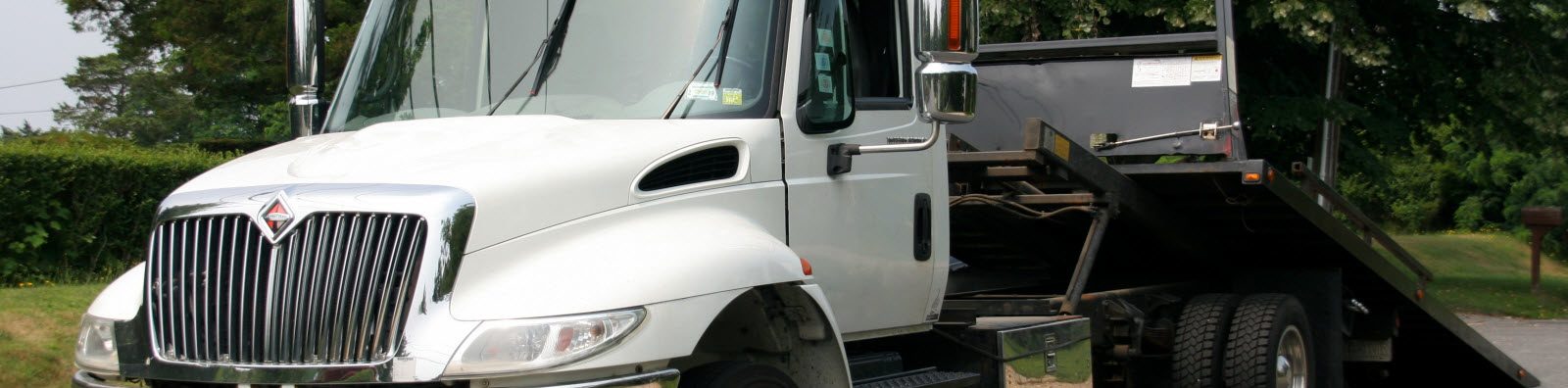
The cost of towing is generally far less than the potential cost of major engine repairs caused by driving an overheated vehicle. If your vehicle is steaming, leaking coolant, repeatedly overheating, losing power, or showing a temperature warning, stopping and arranging professional towing is often the safer choice.
Towing, Roadside Assistance & More in Cassia, Gooding, Jerome & Twin Falls Counties in Magic Valley, Idaho & Jackpot, Northern Nevada
A towing service can move the vehicle to a qualified repair facility where the cooling system and engine can be properly inspected. Acting quickly may help limit damage, reduce repair costs, and get you back on the road sooner. When an overheating problem occurs, knowing when not to drive can be just as important as knowing how to get the vehicle repaired. For safe and reliable towing service, call Highway 30 Garage.
