Attempting to tow a large vehicle without professional help can seem like a way to save time and money, but it often leads to serious risks. Heavy-duty vehicles such as semi-trucks, buses, RVs, and construction equipment are designed with complex weight distributions, braking systems, and structural components that require specialized handling. Without the proper knowledge, equipment, and experience, DIY towing can quickly turn into a dangerous and costly situation. We at Highway 30 Garage would like to stress the risks of attempting DIY towing large vehicles.
Control Loss
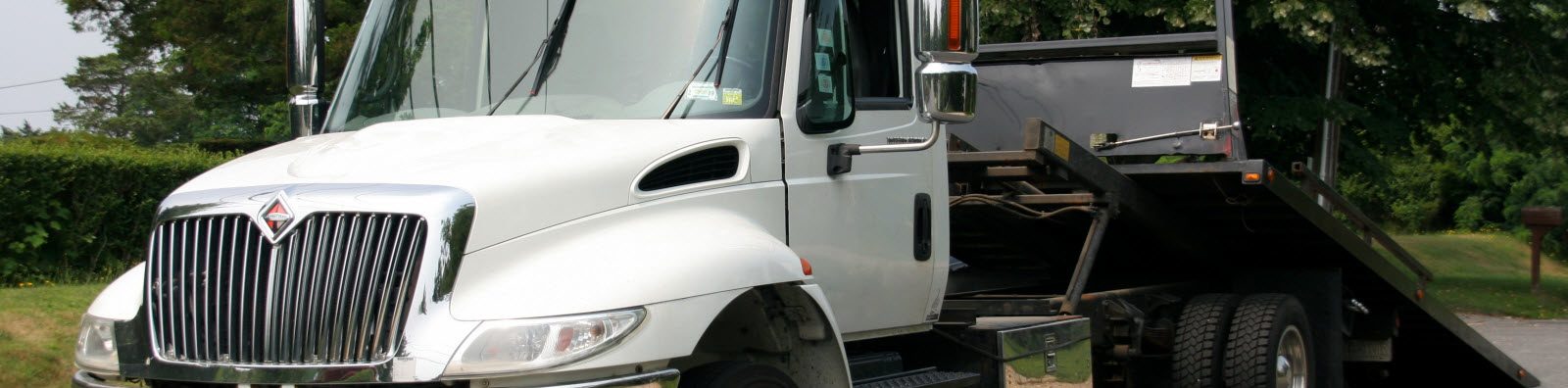
One of the biggest risks of DIY towing is loss of control. Large vehicles are extremely heavy, and improper towing techniques can cause instability during transport. If the towing setup is not balanced correctly, the towed vehicle can sway, jackknife, or even detach from the towing vehicle. This not only puts the driver at risk but also endangers other motorists on the road. Professional heavy-duty towing services use advanced equipment, such as rotator tow trucks and specialized rigging systems, to ensure the load is secure and stable throughout the entire process.
Risk of Severe Vehicle Damage
Another major concern is damage to the vehicle itself. Improper towing can cause severe mechanical damage, including transmission failure, frame stress, and axle misalignment. For example, towing a vehicle with its drive wheels on the ground without properly disengaging the drivetrain can destroy internal components. Additionally, incorrect lifting points can damage the chassis or suspension system. These types of repairs can be extremely expensive and may even total the vehicle in severe cases. Professional towing operators understand how to properly assess each vehicle and use the correct attachment points to avoid unnecessary damage.
Safety Hazards on the Road
Safety hazards are also a critical issue. Large vehicles often carry heavy loads or hazardous materials, which can shift or spill if the vehicle is not secured correctly. An unstable tow can lead to cargo spills, rollovers, or even hazardous material leaks, creating dangerous situations for both the driver and the surrounding environment. In addition, attempting to tow a large vehicle without proper lighting, signage, or escort can increase the likelihood of accidents, especially on busy highways or in low-visibility conditions.
Legal & Regulatory Risks
There are also legal and regulatory risks to consider. Towing large commercial vehicles often requires specific licenses, permits, and compliance with local and federal regulations. Attempting a DIY tow without adhering to these rules can result in fines, penalties, or liability in the event of an accident. Professional heavy-duty towing companies are fully licensed, insured, and trained to operate within these legal requirements, providing peace of mind and protection for their clients.
Hidden Costs & Delays
Finally, DIY towing can lead to unexpected costs and delays. What might seem like a cost-saving decision can quickly become more expensive if something goes wrong. Damage to the vehicle, liability for accidents, or the need to call in professional recovery services after a failed attempt can all add up. In contrast, hiring a professional heavy-duty towing service ensures the job is done efficiently, safely, and correctly the first time.
Towing, Roadside Assistance & More in Cassia, Gooding, Jerome & Twin Falls Counties in Magic Valley, Idaho & Jackpot, Northern Nevada
In a nutshell, attempting to tow large vehicles without professional assistance poses significant risks to safety, equipment, and finances. Heavy-duty towing requires specialized tools, training, and experience that most individuals simply do not have. Choosing a professional towing service is the safest and most reliable way to handle large vehicle transport and recovery, ensuring both people and property remain protected throughout the process. Call Highway 30 Garage if you need large towing services.
