
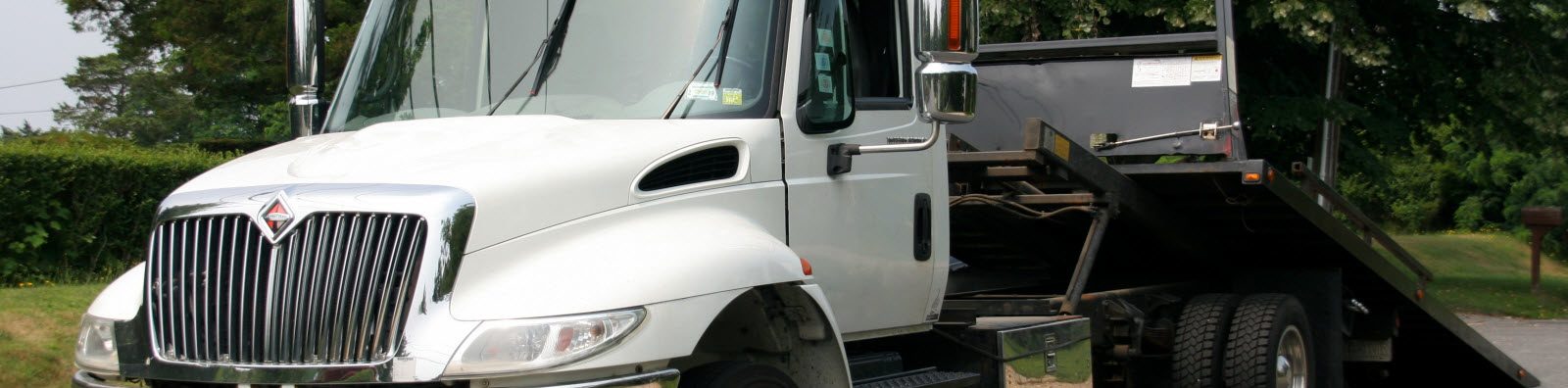
A heavy-duty towing service call is often necessary when large commercial vehicles experience mechanical failures, accidents, or other situations that prevent them from being safely driven. Whether you’re operating a semi-truck, motorcoach, dump truck, construction vehicle, or another piece of heavy equipment, understanding what to expect during the towing process can help reduce stress and ensure everyone’s safety. Professional heavy-duty towing companies follow a systematic approach designed to recover and transport large vehicles efficiently while minimizing additional damage and traffic disruptions. Today, we at Highway 30 Garage would like to share what to expect during a heavy duty service.
The Initial Call & Information Gathering
The towing process begins with a call to a heavy-duty towing company. During this conversation, the dispatcher will ask for important details about your situation. This typically includes your exact location, the type of vehicle involved, its approximate weight, whether it is loaded or unloaded, and the nature of the problem. Providing accurate information allows the dispatcher to send the appropriate heavy-duty tow truck and specialized equipment. Different situations may require rotator tow trucks, integrated wreckers, recovery vehicles, or additional support equipment depending on the size and condition of the disabled vehicle.
Arrival & Safety Assessment
Once the heavy-duty towing team arrives, their first priority is safety. Before any recovery work begins, operators assess the scene to identify hazards such as passing traffic, unstable terrain, leaking fluids, damaged cargo, or downed utility lines. If the vehicle is located on a busy highway, operators may coordinate with law enforcement or traffic management personnel to establish a safe work zone. Protecting everyone at the scene—including drivers, passengers, emergency responders, and towing professionals, is always the highest priority.
Vehicle Inspection
Before attaching towing equipment, the operator performs a thorough inspection of the disabled vehicle. They examine the condition of the axles, suspension, steering components, drivetrain, and tires to determine the safest towing method. If the vehicle has sustained accident damage, additional precautions may be necessary to prevent further structural damage during recovery. The operator also identifies secure attachment points to ensure the vehicle remains stable throughout transport.
Specialized Equipment is Used
Heavy-duty towing requires equipment specifically designed for oversized vehicles. Unlike standard tow trucks, heavy-duty wreckers feature powerful hydraulic lifting systems, heavy-duty winches, reinforced booms, and high-capacity towing assemblies capable of handling extremely heavy loads. Depending on the situation, operators may use air cushions, recovery straps, underlift systems, wheel lifts, or multiple tow trucks working together to safely recover the vehicle.
Safe Recovery & Transport
Once everything is properly secured, the towing operator carefully begins the recovery or towing process. Every movement is made deliberately to avoid placing unnecessary stress on the vehicle or surrounding property. If the vehicle has slid into a ditch, become stuck in mud, or rolled onto uneven ground, recovery may take additional time. Specialized recovery techniques are used to return the vehicle to an upright position before towing can begin safely. During transport, operators follow safe driving practices while considering the increased size, weight, and braking distance associated with heavy-duty loads.
Communication Throughout the Process
Professional towing companies understand that vehicle downtime can be costly. Throughout the service call, operators often keep drivers, fleet managers, or business owners informed about the progress of the recovery. If the vehicle requires transport to a repair facility, dealership, fleet maintenance center, or another destination, the towing team confirms those details before leaving the scene. Clear communication helps everyone involved understand the next steps and expected timelines.
Professional Service Makes a Difference
Heavy-duty towing is far more complex than moving a standard passenger vehicle. It requires specialized equipment, extensive training, and experience handling large commercial vehicles under a wide variety of conditions. Choosing an experienced heavy-duty towing company ensures your vehicle is recovered safely, transported properly, and handled with the care necessary to minimize further damage and downtime. When unexpected breakdowns or accidents occur, knowing what to expect during a heavy-duty towing service call can provide confidence that trained professionals are prepared to get you and your equipment safely off the road and back on track. Call Highway 30 Garage for safe and reliable heavy duty services.
